
October 2026 · About 5 minutes
The shop can build a storefront elevation three ways, and the truck, the dock, and the crew decide which one is right.
Search “knock down frame” and every answer is about hollow metal door frames: three steel pieces, shipped flat, assembled at the opening. That is not what a glazing PM is asking. For aluminum storefront, the question is how much of the fabrication and assembly happens in the shop and how much the field crew does at the jobsite, and the answer changes the price, the truck, the staging area, and the install sequence.
Knocked down versus preassembled, for aluminum storefront
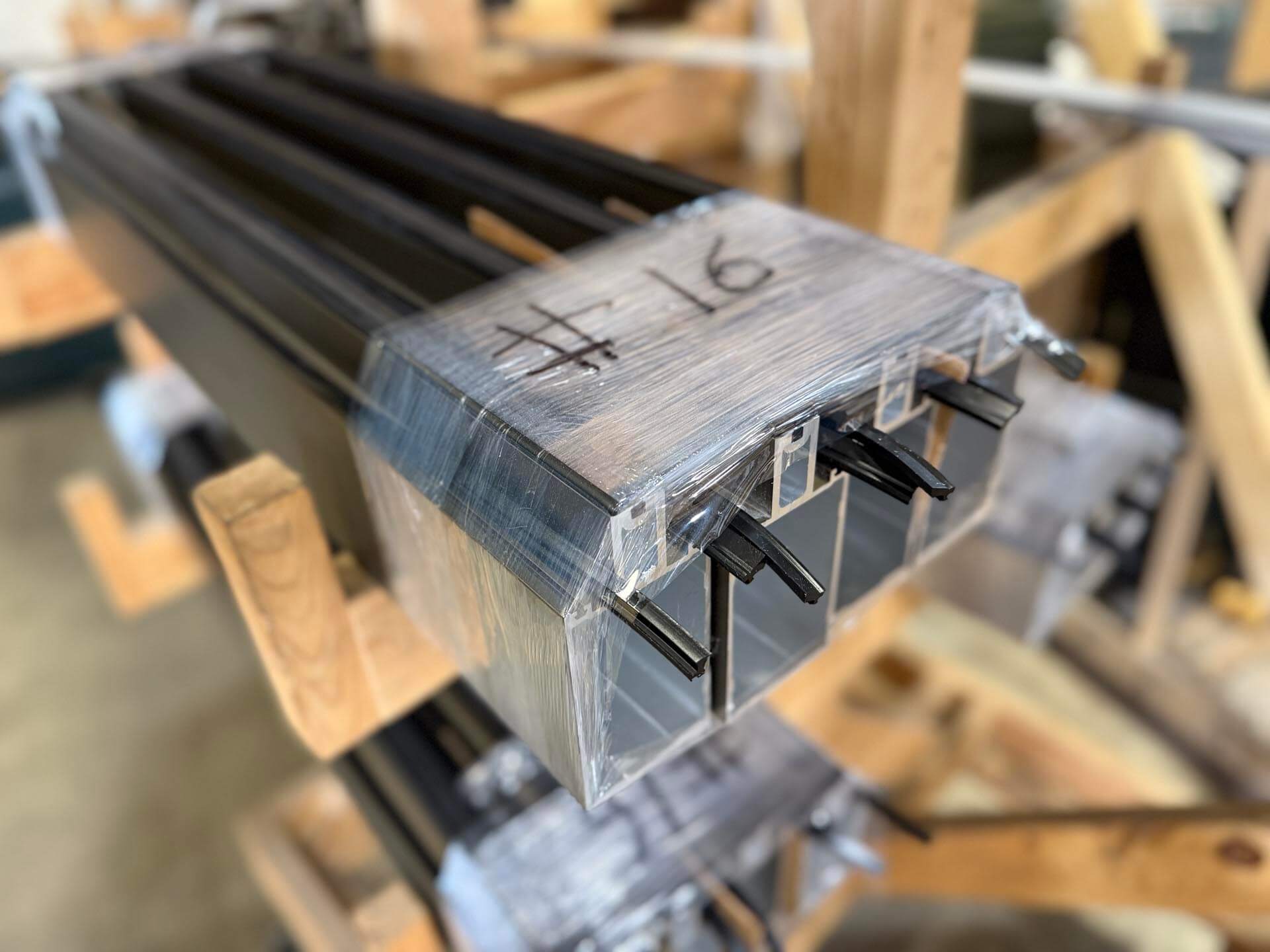
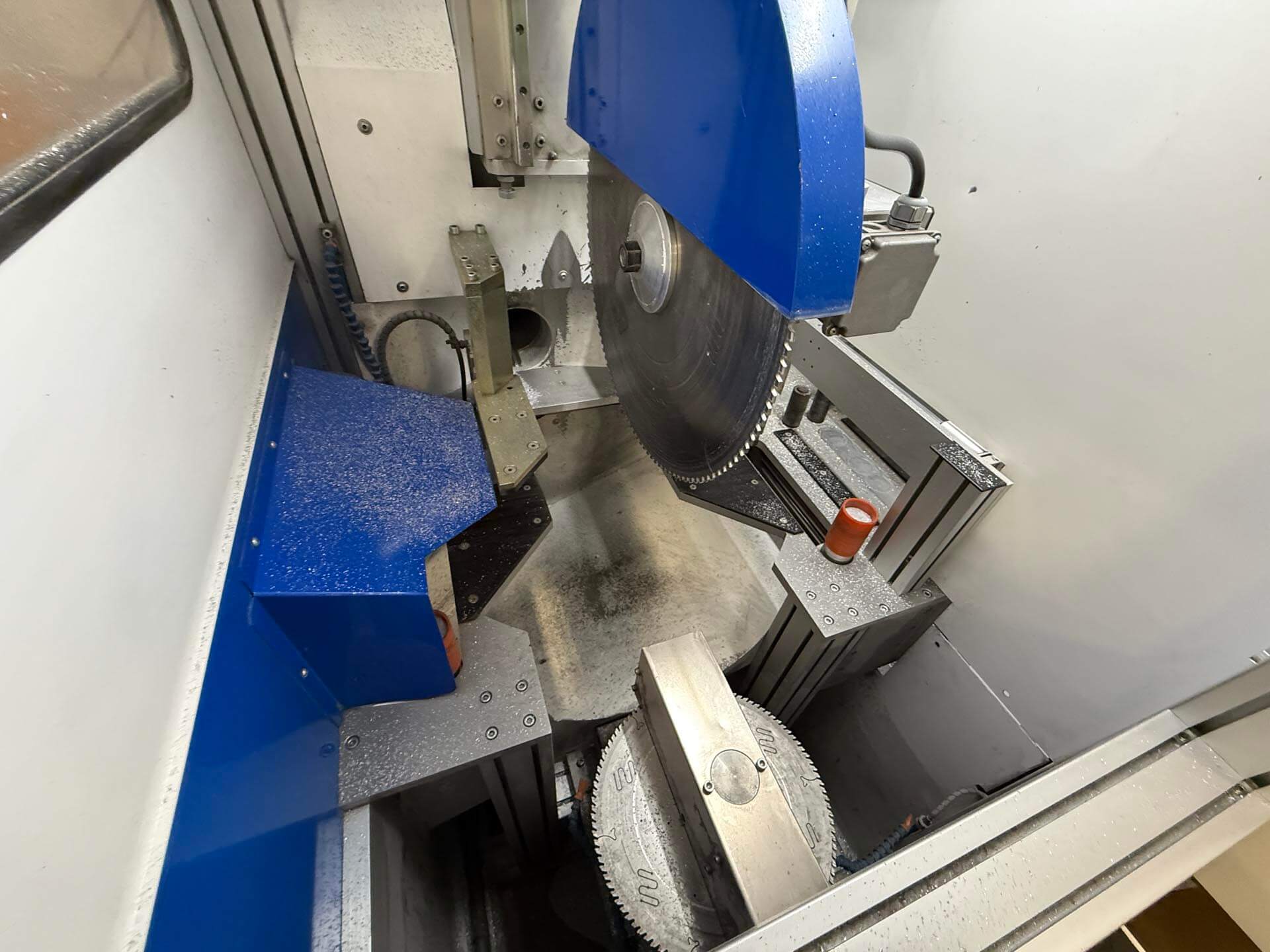
The LearnGlazing Different Levels of Fabrication and Assembly course lays out the levels. Knocked down (KD) means the parts are cut, drilled, notched, and prepped in the shop, then shipped in bundles; the field crew assembles the frames at the jobsite before setting them. Shop assembly means the frames arrive built: storefront in sections that snap together in the field, curtain wall in ladders with the horizontals at every other bay left for the crew, and gaskets and accessories often already in. Pre-glazed goes one step further, with the glass set in the shop and the units shipped heavy.
The course’s own words on why shops assemble as much as they can: shop time is more efficient than field time, because the shop is a controlled environment with the tools, the equipment, and the people who do this all day. The reason not to is everything that happens after the frame leaves the bench.
The decision: eight factors, in the order they usually settle it
- Frame size. A 4 by 8 storefront frame rides a truck and goes through a door. A 12 by 14 assembled frame needs a flatbed, a crane or a lull, and a path to the opening. Anything that does not fit the truck or the building ships KD or in sections.
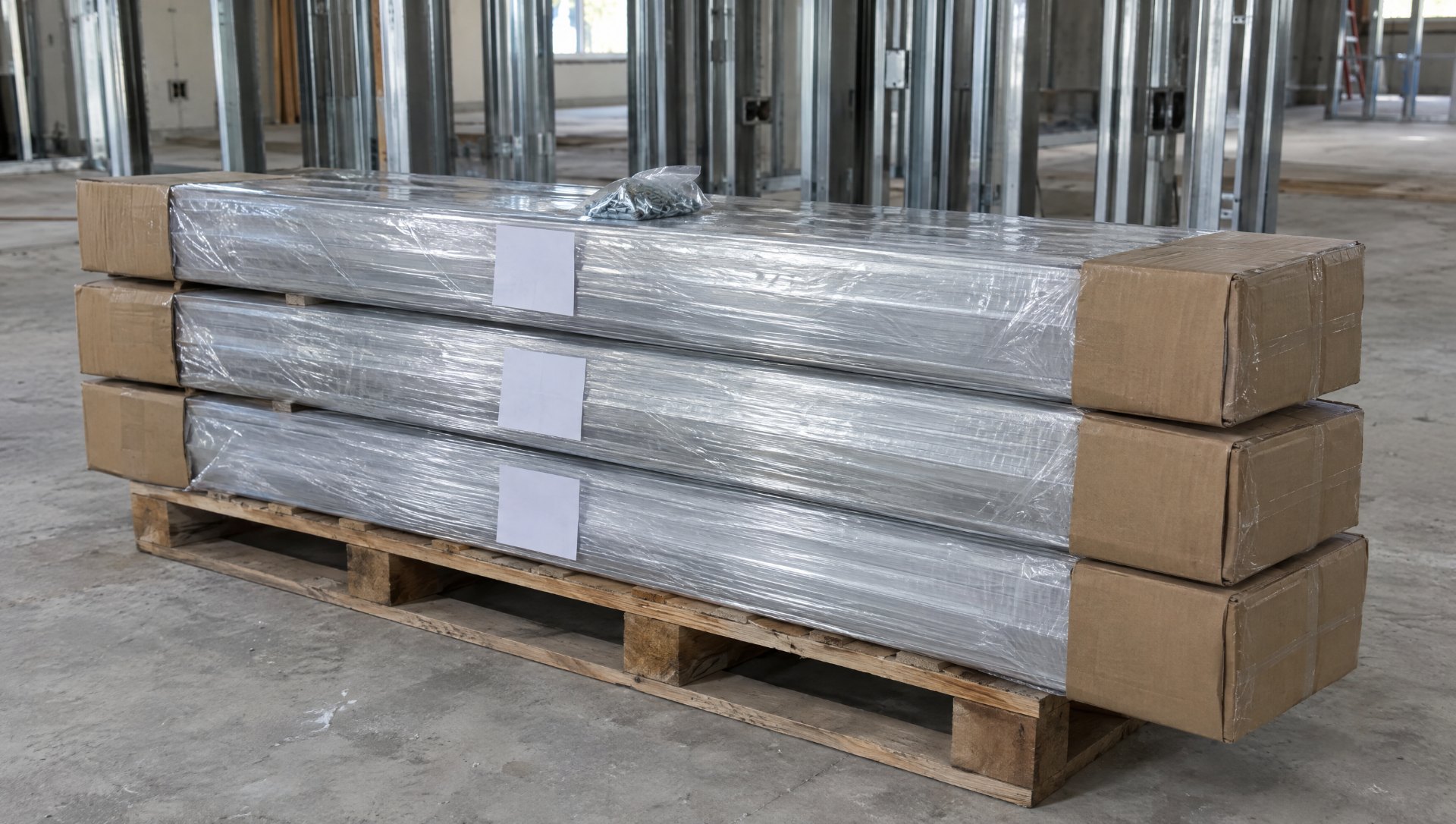
- Transportation. Assembled frames need cribbing, edge protection, and a load that does not shift. KD bundles stack. The further the haul, the more an assembled load costs and the more it can be damaged.
- Building access. Where does the truck stop, and how does material get from there to the opening? A ground-floor retail bay with a drive-up is a different job than a sixth-floor tenant space with one freight elevator. KD parts can be moved by hand; assembled frames cannot.
- Storage on site. Assembled frames take floor space and have to be stood up, protected, and kept out of the way of other trades. Bundles stack on a pallet in a corner.
- Damage risk. Every time a finished frame is moved, it can be scratched, racked, or dented. A KD bundle has fewer exposed faces and fewer moves. The scratch repair article covers what happens when a finish does get hit.
- Field labor. Assembling frames on site takes a space, a table, the tools, and crew hours that are not installing. The course lists the same questions for field assembly as for field fabrication: weather, space, power, dirt and debris, other trades. If the crew is short or the site is tight, the shop should do the assembly.
- Installation sequence. If the openings go in one elevation at a time as the GC releases them, the material should arrive that way. If the whole floor is ready, assembled frames go in faster.
- Schedule. Shop assembly adds shop days before the truck leaves. KD gets material out sooner and puts the assembly hours on the field schedule instead. Which one is the bottleneck decides it.
Talk to the shop and the installers before you pick. The course says it directly: the team has a level of fabrication it is comfortable with, and changing it takes planning, equipment, and buy-in. A busy shop may only be able to offer KD on a small job, because assembly is the step it does not have hours for.
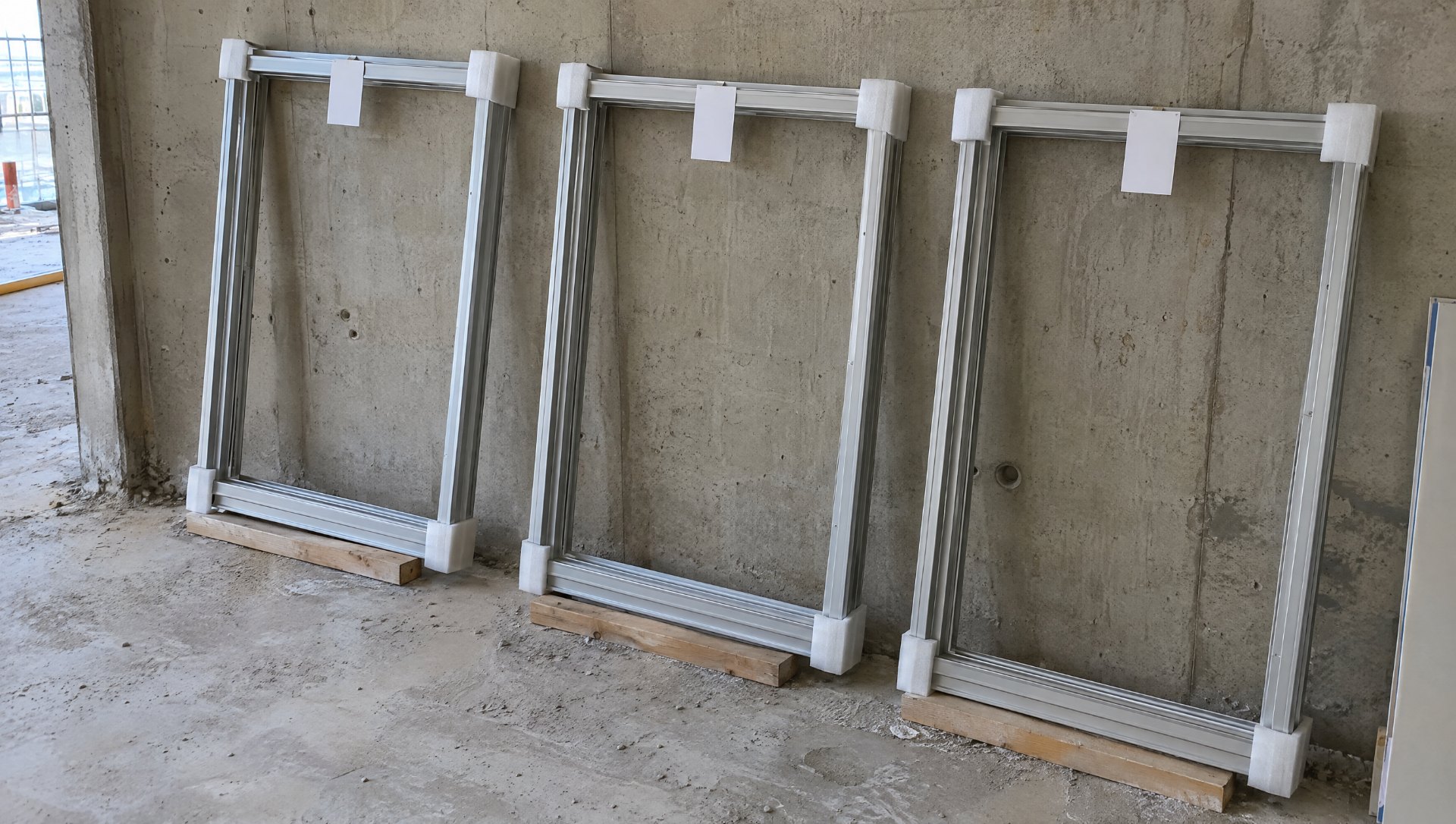
Bundling and labeling: how the crew finds the right piece
However the material is fabricated, the crew has to find the right piece at the opening without unpacking the whole shipment. That is a decision the PM makes at release, and it has four reasonable answers:
- By opening. Everything for opening 112 in one bundle: verticals, horizontals, sill, head, the door if there is one, and the hardware bag. The crew carries one bundle to one opening. Best for storefront with distinct openings and the most tags to write.
- By elevation or floor. All of elevation E2 on one pallet, in opening order. Best when the crew runs an elevation at a time and the openings are similar.
- By phase. Matches a phased release: what ships is what the field is ready for and nothing else, so nothing sits on site for a month getting stepped on.
- By like size. All the 8 foot verticals together, all the 4 foot horizontals together. Easiest for the shop and the worst for the crew, unless the job is a hundred identical openings.
Whatever the grouping, the label is the same: the opening number or frame number from the shop drawings, written large on a tag on every bundle and on every assembled frame, with the elevation and the floor if the job has more than one. The number on the tag matches the number on the elevation, the schedule, and the release cover sheet, so a foreman with a drawing in one hand can read the pallet without a phone call. A shipment with a packing list that says “15 frames, E2 and E3” and no tags on the frames is not labeled.
What goes on the release
The assembly level and the bundling are two lines on the release: “frames shipped assembled, hardware loose” or “KD, bundled by opening, tags with opening number and elevation.” If the shop does not see it, it will do what it did last time, which may not be what this site can handle. The fabrication release article has the cover sheet those lines belong on.
The takeaway
Plan fabrication around how the field will receive and install it, not just around what is easiest to build in the shop. Walk the dock and the path to the openings before release, decide the assembly level with the shop and the foreman, and write the bundling and the tag format on the release. The crew should be able to find any piece in under a minute.
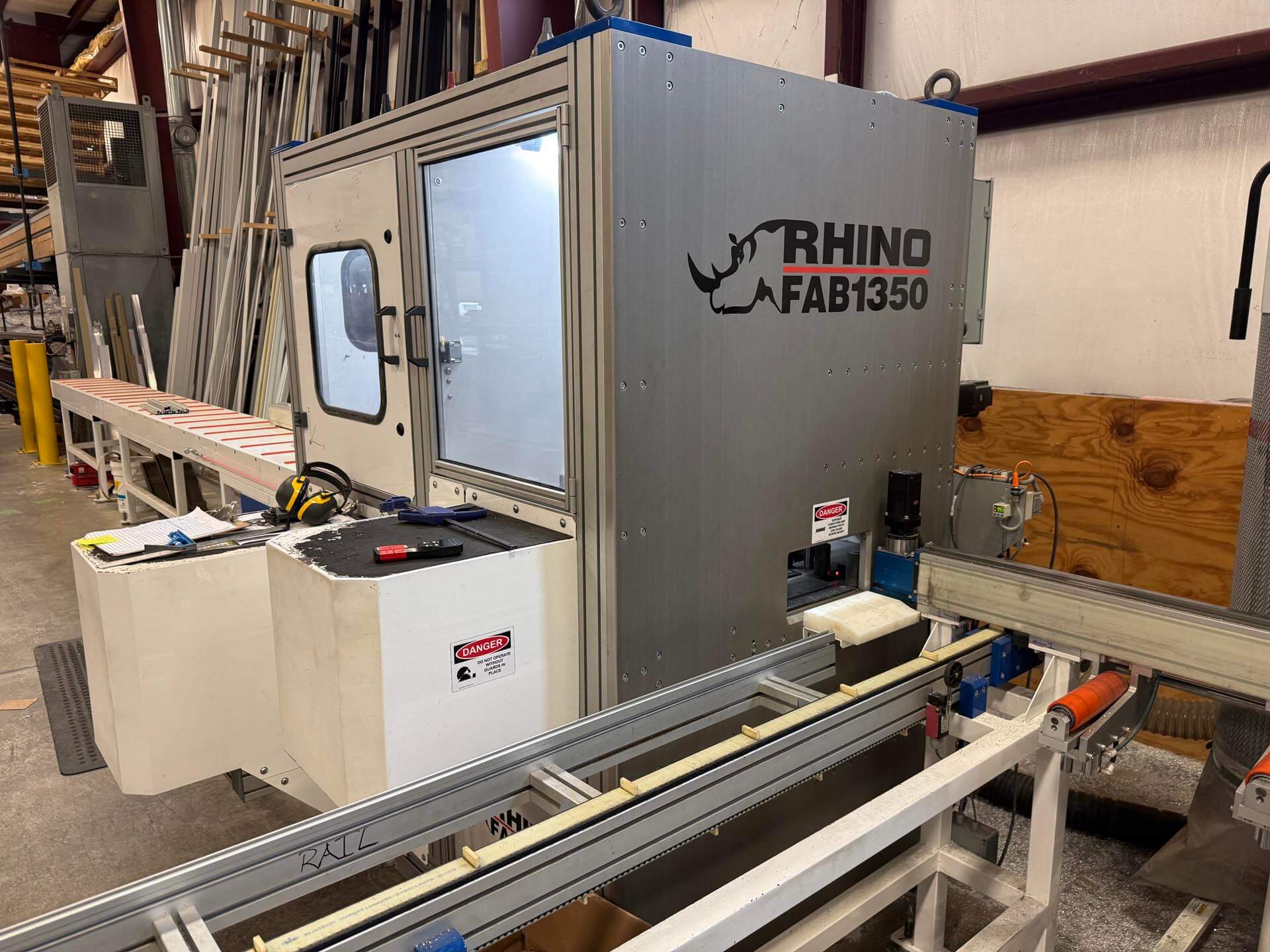
WestMetal Fabrication ships aluminum storefront, curtain wall, and entrances at whichever level the contractor specifies, KD, assembled, or in sections, bundled and tagged by opening, elevation, or phase as the release calls out. See what WestMetal fabricates.
Learn the fundamentals on LearnGlazing
Two free LearnGlazing courses cover the ground this article skips. Different Levels of Fabrication and Assembly walks through shop operations and delivery considerations, and Foundations of Storefront Installation explains knocked-down, shop-assembled, and pre-glazed packaging. WestMetal Group is a LearnGlazing partner through the GlazierIQ network. Browse the full course catalog.
Bob Baumann
Sales, WestMetal Group
I have been on the fabrication side of glazing for a long time, and before WestMetal I ran a shop floor where the release was the thing that decided whether the week went well or badly. I still read every package that comes in before it goes to the saw, and I still call the PM when something on it does not add up. WestMetal Group is part of the GlazierIQ network with MP Drafting and LearnGlazing. Questions about an article or a package? Send it to Bob.
</div >