
October 2026 · About 5 minutes
The shop builds for whoever is asking the loudest, and the loudest PM is not always the one whose crew is standing at an opening.
Three PMs, one shop lead, Monday morning. The first PM has a school with a hard close-in date and a crew on site Thursday. The second has a tenant build-out that got pushed, but he is at the shop lead’s desk and the first one is not. The third sent a release on Friday and has not called. By lunch the shop is cutting the tenant job, the school frames are still on the cart, and the Friday release has not been read. None of that was a decision anybody made. It was the absence of one.
Capacity planning for a glazing fabrication shop is not a software problem. It is a PM habit: knowing how many shop hours the next six weeks need, how many the shop has, and what to do when the first number is bigger.
Capacity planning: the warning signs that the shop is becoming the schedule
A shop does not announce that it is full. It shows it, and the signs are visible from the PM’s desk weeks before a fab date slips.
- The cut list waits. A release goes in and nothing happens to it for a week, not because anything is missing but because nobody has hours to start it. The queue has become the lead time.
- Dates get quoted from the shop, not from the field. The estimator asks the shop lead when he can start before he gives the GC a date. When the shop is setting the install schedule, the shop is the constraint.
- Overtime is the plan, not the exception. Saturdays on the calendar two weeks out means the week does not have enough hours in it.
- Partial shipments. The crew gets the frames but not the doors, or elevation E2 without E3, because the shop shipped what was done to get something out the door.
- Rework ticks up. A rushed shop makes rushed cuts. The first wrong-handed door or missed hardware prep in a while is a capacity sign, not a skills sign.
Any one of those on a single project is a bad week. Two of them across three projects is the shop telling you that it is scheduling the company.
Fabricate ahead and store it
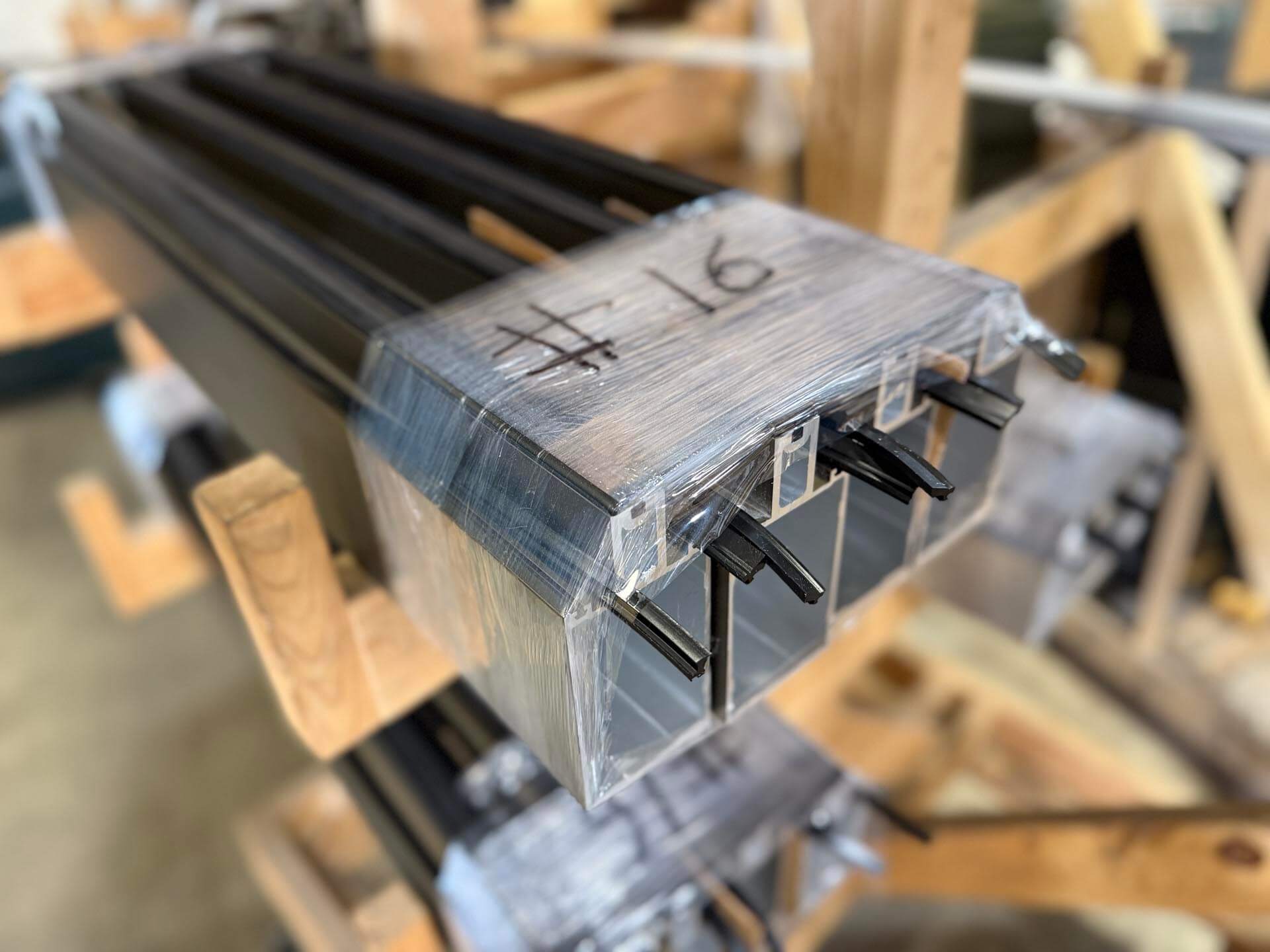
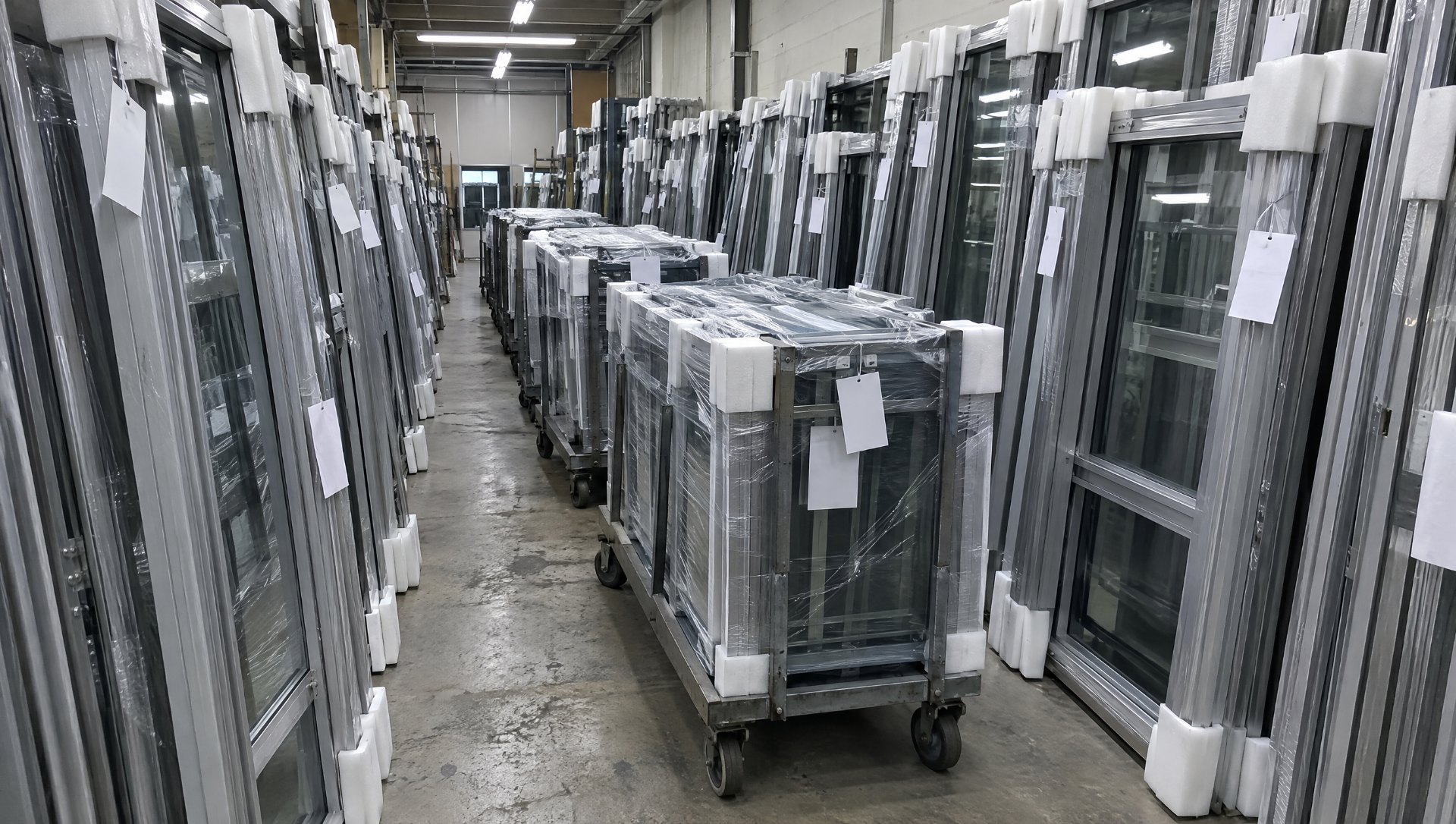
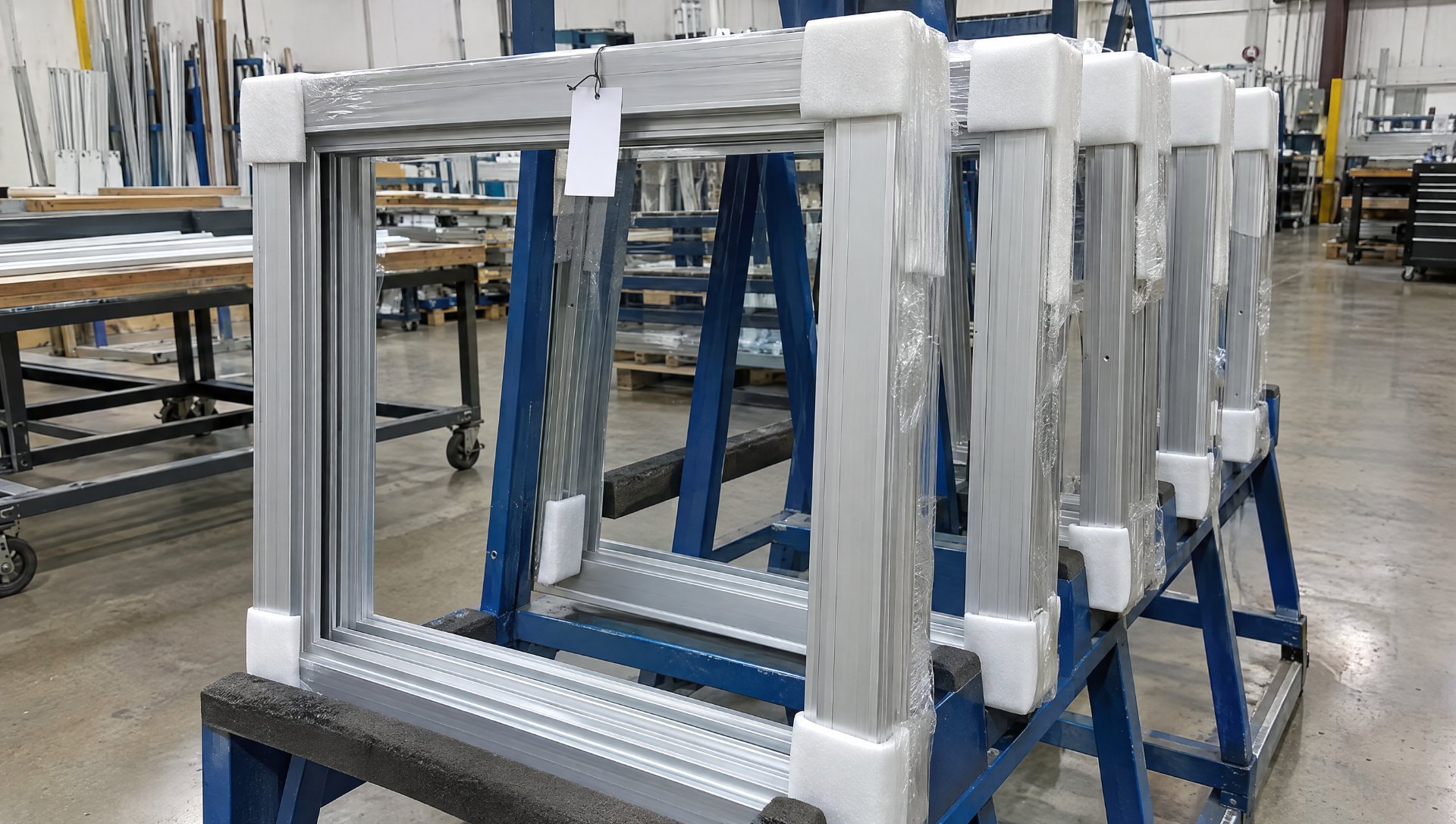
The field is rarely ready on the day the shop is free. If the shop has hours this month and the install is next month, fabricate now and store the material: assembled frames on A-frames with edge protection, KD bundles palletized and tagged by opening, hardware bagged by door. Storage costs floor space and a little handling. Idle shop hours cost more, and they cannot be stored. The one condition is that the release has to be real: field dimensions confirmed, hardware schedule current, finish settled. Fabricating ahead to an unconfirmed opening is not getting ahead; it is building a remake. The article on how material should arrive covers the staging and tagging side.
Prioritize by field need, not by who is asking
The fix for Monday morning is a list the shop lead does not have to argue about. Once a week, the PMs and the shop lead put every open release in order by one question: when does the crew need it at the opening? Not when was it released, not who is the biggest customer, not who is standing at the desk. A release with a crew date in four days goes ahead of one with a crew date in four weeks, even if the second PM asked first and asked louder.
Write the list down and post it in the shop. The shop lead’s job is to build the list in order; the PMs’ job is to fight about the order in the meeting, not at the saw. When a date changes, the list changes in the meeting, and the shop finds out from the list.
Outsource the portion, not the project
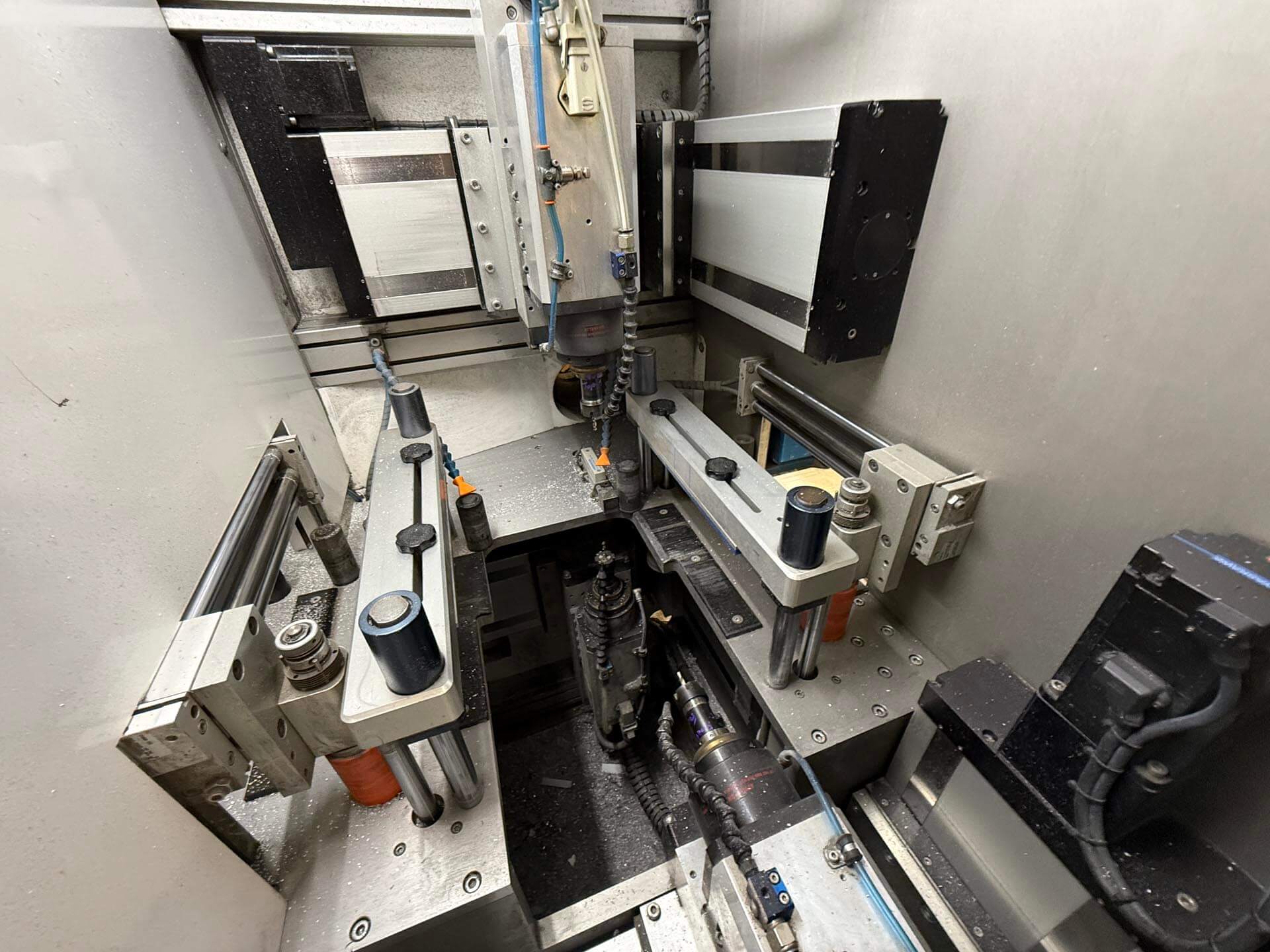
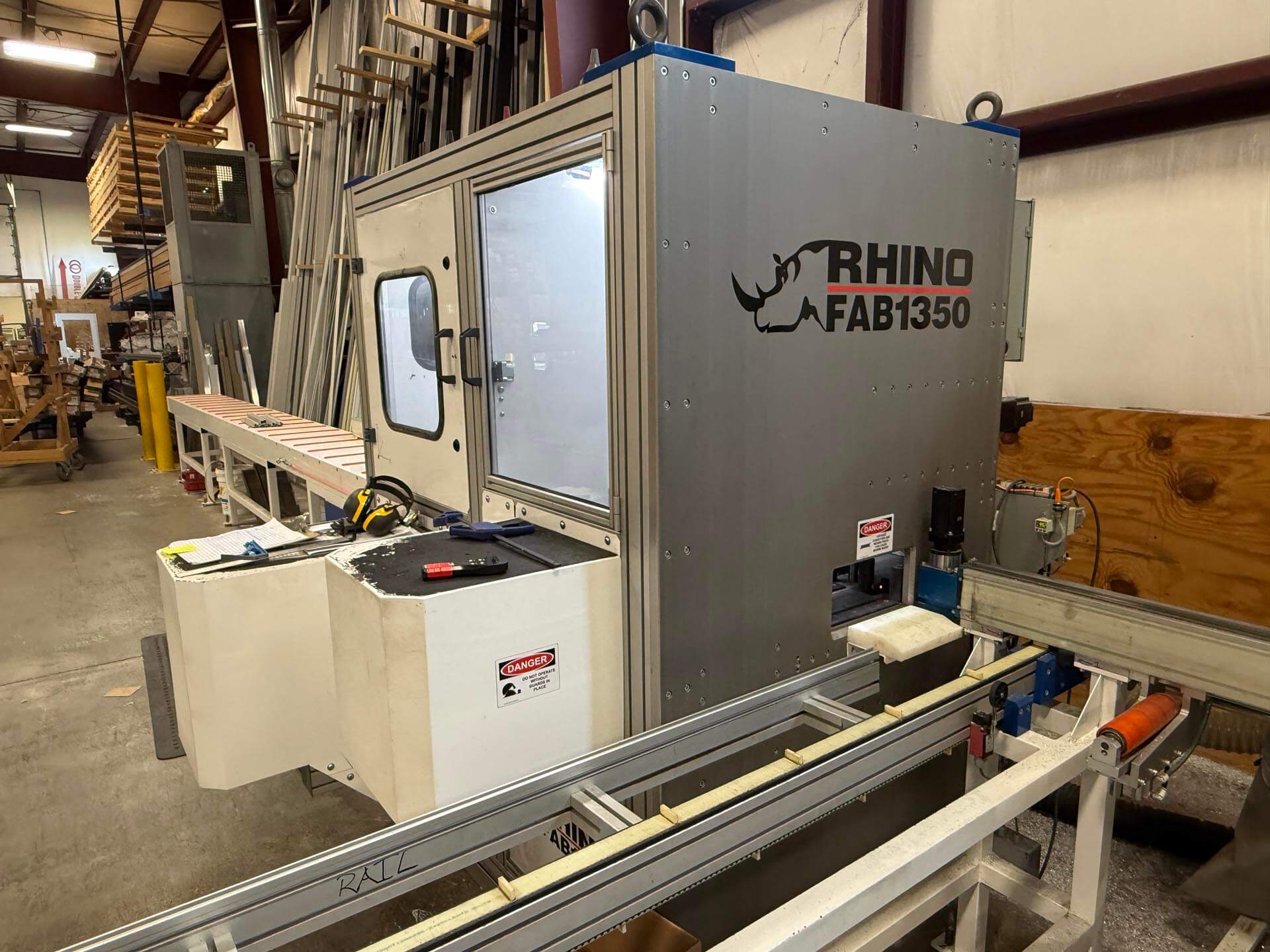
When the hours still do not fit, the choice is not all or nothing. The most useful capacity move is to send out a portion of a project: one elevation, the entrance package, the curtain wall ladders that need the most bench time, or the one system the shop runs slowest. Your shop keeps the work it does fastest, the outside shop takes the piece that would have pushed everything else, and the project still ships complete on one date because the PM is coordinating both.
In glazing this is called overflow fabrication: a fabricator takes the part of a glazing contractor’s workload that the contractor’s own shop cannot fit in the schedule, built from the contractor’s drawings and to the contractor’s hardware and finish, and shipped to the contractor’s job. A shop uses it for a peak, a specific package, or a system it does not want to tool up for, and it stops using it when the floor is open again. The three signs article covers when a shop reaches that point.
Decide early: options versus emergencies
Every move above is cheap six weeks out and expensive six days out. Six weeks out, a PM can fabricate ahead, reorder the list, or send an elevation out and have it back before the crew needs it. Six days out, the only options are overtime, a partial shipment, and a phone call to the GC. The weekly list is where the six-week view lives: if the hours needed in the next six weeks are more than the shop has, that is the week to decide what goes out, not the week the first date slips.
One honest cost from the shop side: fabricating ahead and sending work out both add handling, and an outside shop’s hour costs more than your own fabricator’s hour when your floor is slow. The comparison that matters is against the date you would miss and the crew that would stand down, not against an idle shop.
The takeaway
Recognizing capacity problems early gives you options; recognizing them late gives you emergencies. Keep a six-week view of shop hours needed against hours available, order the work by crew date in a weekly meeting, fabricate ahead when the shop is open and the release is real, and send out a portion before the whole schedule bends around the shop.
WestMetal Fabrication takes overflow fabrication for glazing contractors: a single elevation, an entrance package, or a full release, built from the contractor’s drawings and hardware schedule and shipped to the contractor’s job on the date the crew needs it. See what WestMetal fabricates.
Learn the fundamentals on LearnGlazing
Two free LearnGlazing courses cover the ground this article skips. Introduction to Fabrication walks through shop operations and delivery considerations, and Different Levels of Fabrication and Assembly explains knocked-down, shop-assembled, and pre-glazed packaging. WestMetal Group is a LearnGlazing partner through the GlazierIQ network. Browse the full course catalog.
Bob Baumann
Sales, WestMetal Group
I have been on the fabrication side of glazing for a long time, and before WestMetal I ran a shop floor where the release was the thing that decided whether the week went well or badly. I still read every package that comes in before it goes to the saw, and I still call the PM when something on it does not add up. WestMetal Group is part of the GlazierIQ network with MP Drafting and LearnGlazing. Questions about an article or a package? Send it to Bob.
</div >