
October 2026 · About 5 minutes
The shop told you it was full about three weeks before you admitted it.
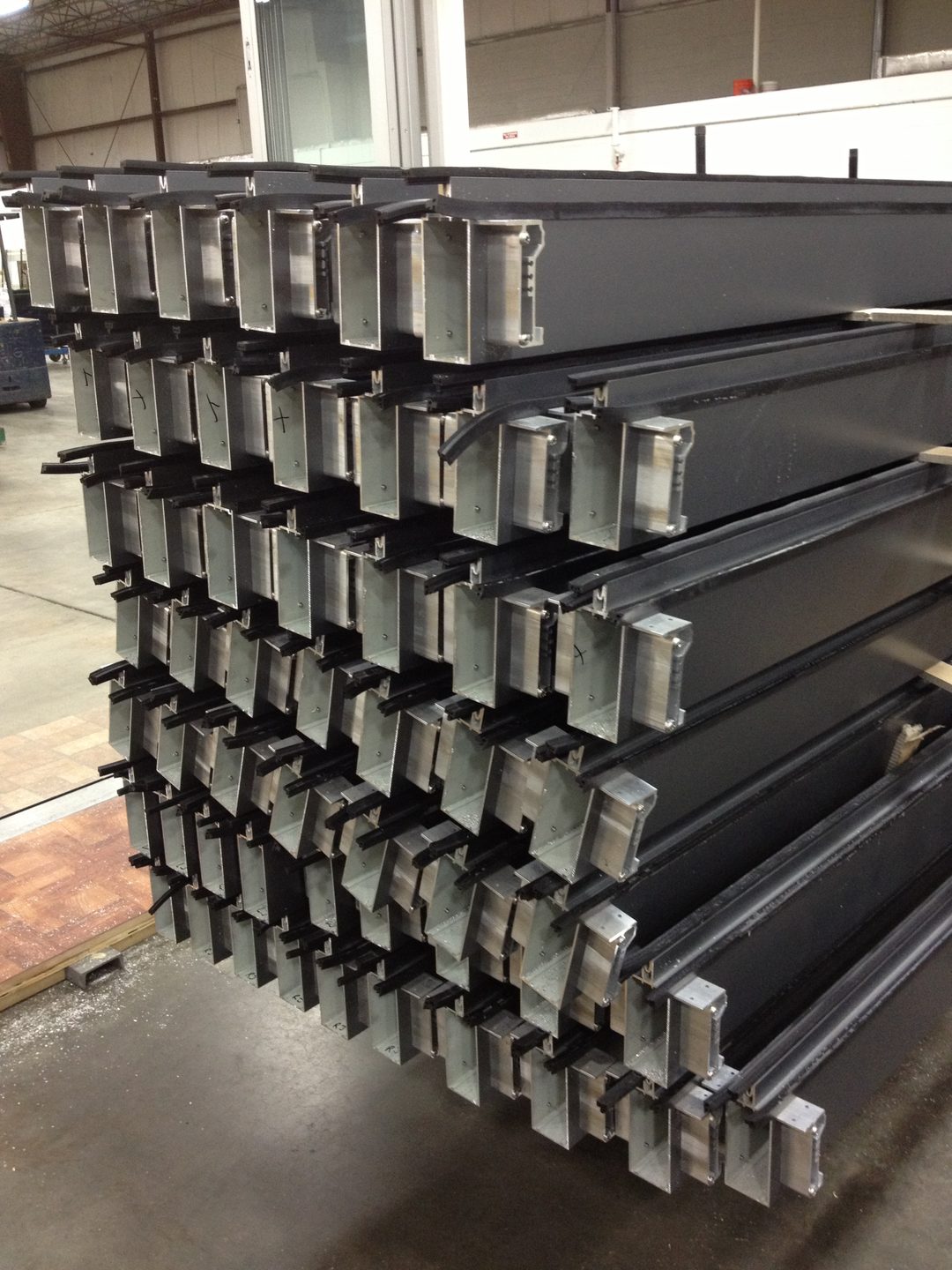
The signs were on the board. The cut list for the medical office storefront was supposed to start Monday and started Thursday. The curtain wall ladders for the school were done except for the horizontals nobody had time to notch. The hardware prep for the entrance package was sitting on a cart with a sticky note on it. None of it was a disaster on its own. Together it meant every release behind it was already late.
What outside aluminum fabrication services actually take on
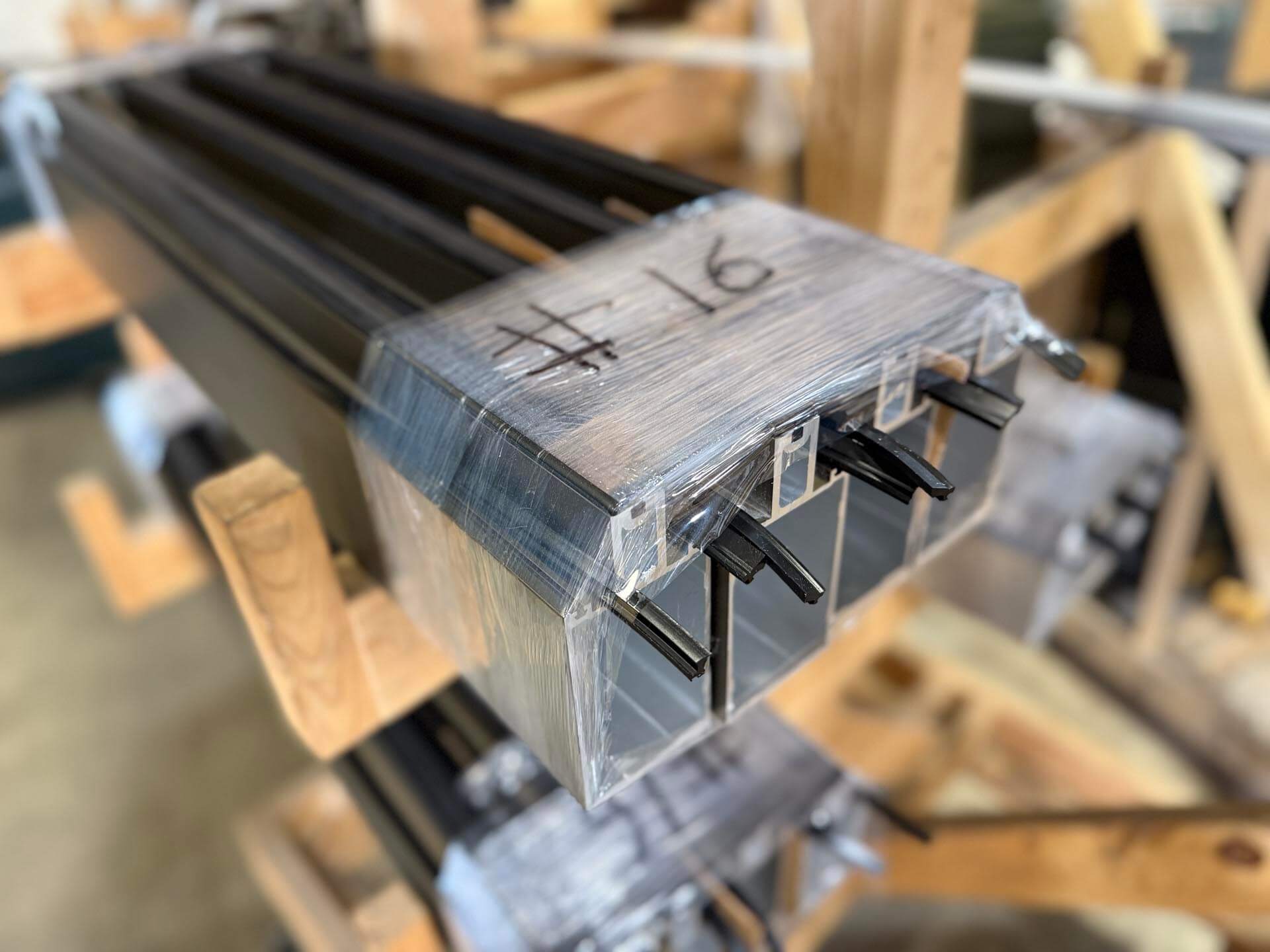
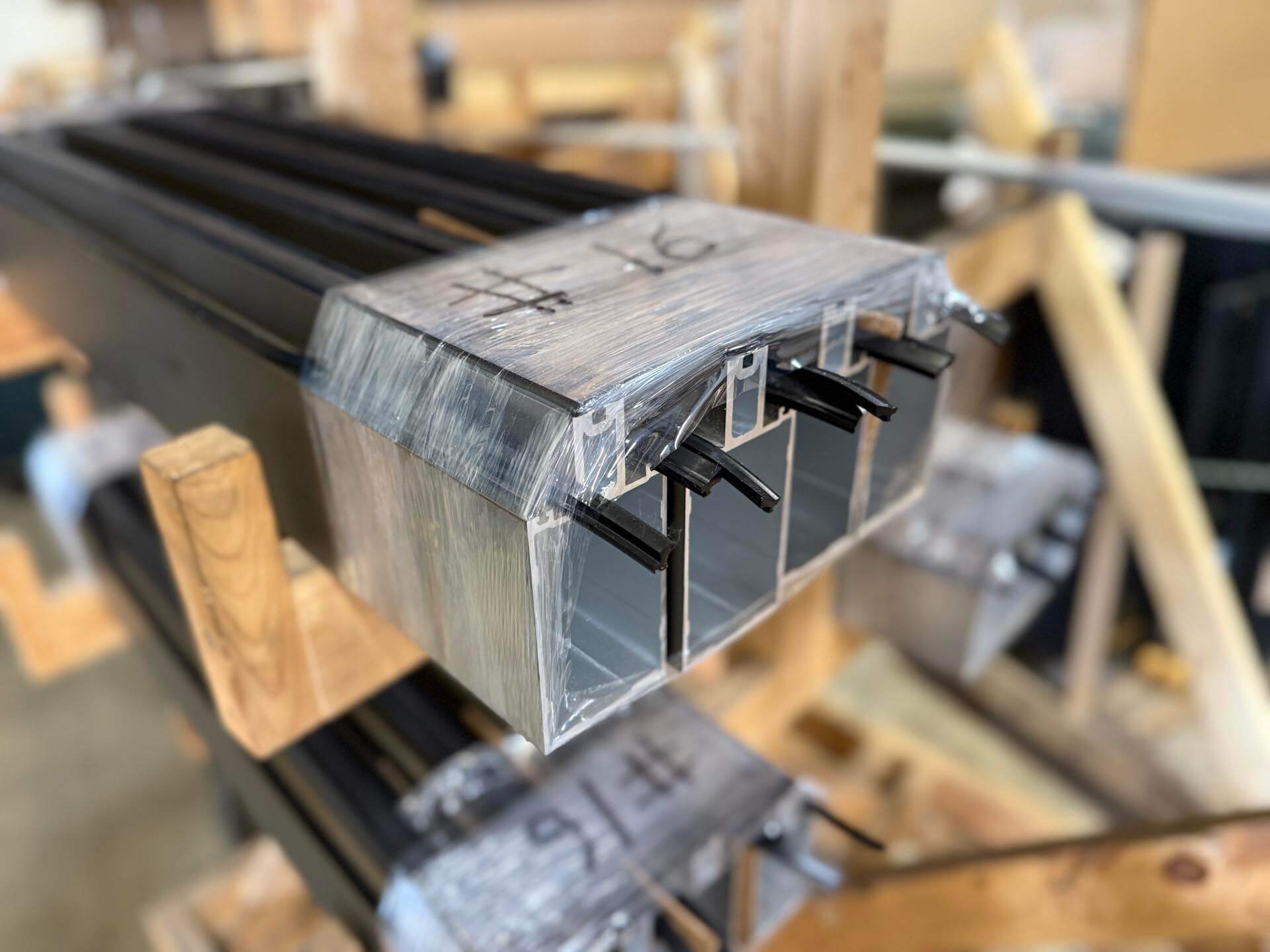
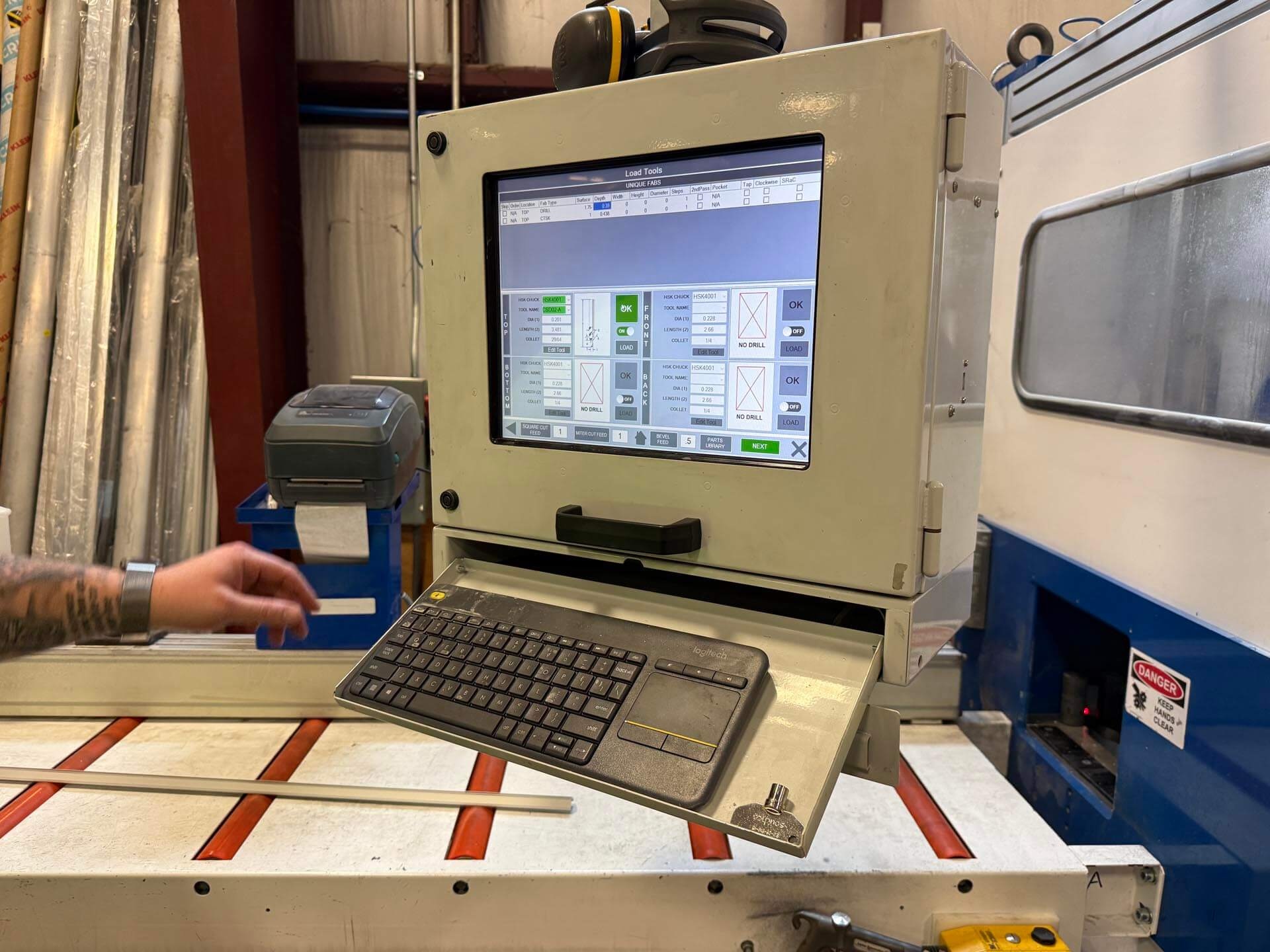
An outside shop takes a package you have already released and does the shop work on it: cutting, drilling, notching, hardware prep, and assembly to the level you ask for. The package is the same one you would hand your own fabricators. LearnGlazing’s Introduction to Fabrication lists what has to be in it: approved shop drawings, approved submittals, either field measurements or guaranteed opening sizes, and the material.
The level of assembly is your call, and the Different Levels of Fabrication and Assembly course walks through the choices. KD (knock down) fabrication means the parts are cut, drilled, and prepped, then shipped in bundles for your crew to assemble on site. Shop assembly means storefront ships in sections that snap together in the field and curtain wall ships as ladders. Pre-glazed means the glass goes in at the shop and the units ship heavy. An outside shop can run any of those levels. What it cannot do is release the package for you. The field dimensions, the hardware schedule, the handing, and the finish still come from your PM, exactly as they would for your own shop.
Sign 1: Your estimator is pricing around the shop
You can see this one in the bids. The shop has six months of backlog, and the job the estimator is pricing starts fabrication in three. He knows the shop cannot take it, so the number changes: a longer lead time in the proposal, a padded price, or a no-bid on a job the crew could have installed. When that is happening, fabrication capacity is setting your sales volume, not crew capacity.
If your estimator is padding bids because the backlog is full, the shop’s capacity is deciding which work you go after. An outside option changes that. When the estimator knows there is a fabricator like WestMetal to send the overflow to, he can go after more work than the shop can handle internally, without padding the number.
Sign 2: Dates slide before quality does
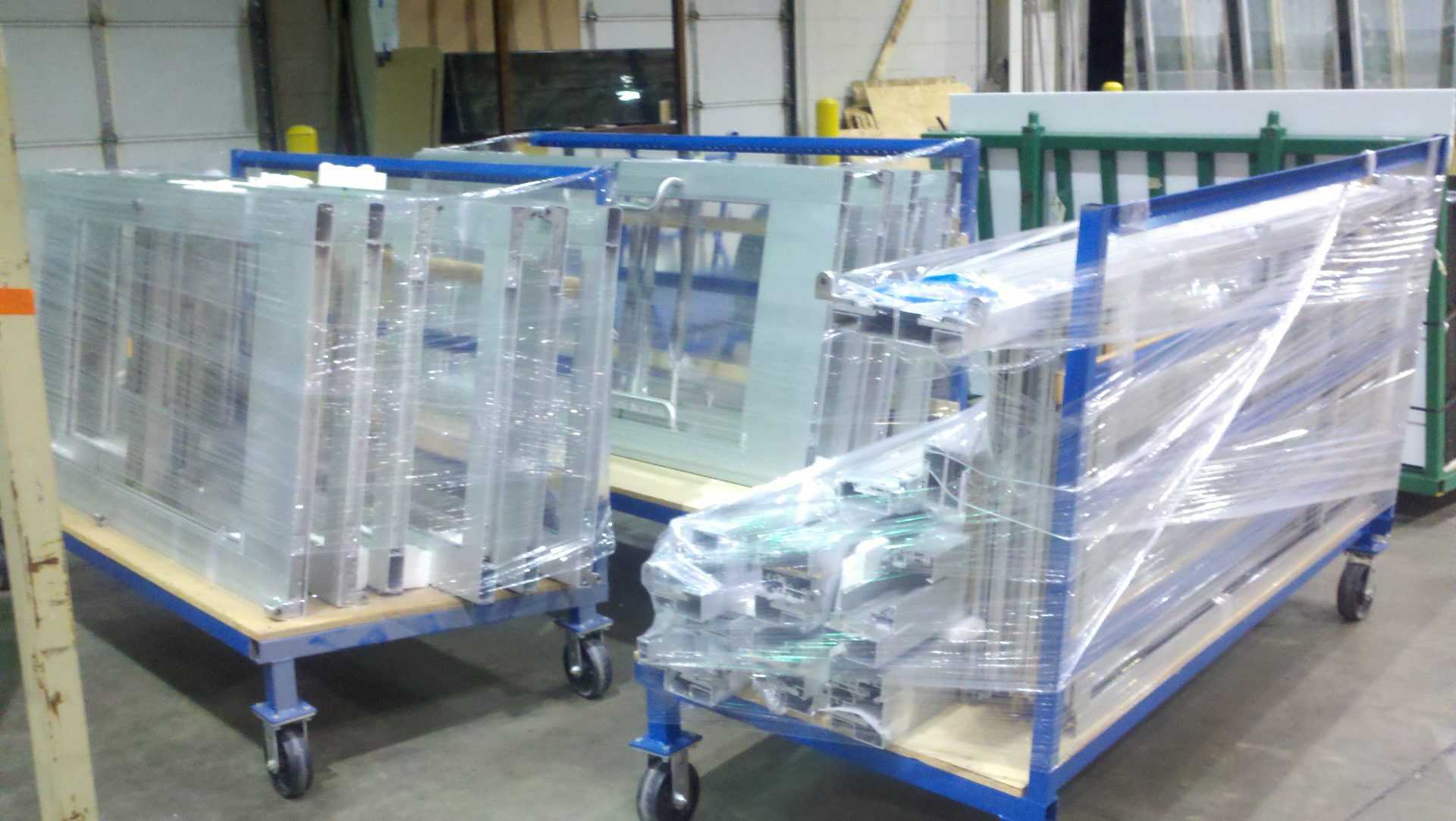
A loaded shop does not fail all at once. A fab date slides a few days, then a week. Saturdays become standard. Then the first callback comes in: a frame went out with the wrong handing, or an entrance shipped without its closer prep because the hardware schedule changed after the cut list was made and nobody caught it. The crew waits on the fix, and the delay lands on every project behind it.
Your customer does not see your shop schedule. The GC sees the missed date and the partial shipment, and that is what gets talked about at the next bid.
The move here is to keep your own fabricators on the systems they run fastest and send out the package that does not fit. A storefront package in a series your shop rarely runs, a door and hardware package, or the one elevation that needs a different finish are the natural candidates. Your shop stays on the work it is good at, and the date holds.
Sign 3: One package needs double the hours for four months
The hardest fabrication capacity problem is not too much work. It is uneven work. A curtain wall package lands and the shop needs twice the hours for four months. Then it ships, and the hours go back to normal with a new fabricator and a second saw on the payroll.
Here is the tradeoff from the shop side. An outside shop will usually cost more per hour than your own fabricator when your floor is slow. It costs less than carrying a fabricator, a saw, and the floor space through the slow months to cover one peak. If the peak comes from a specific package, buying the hours for that package is the cheaper way to carry it.
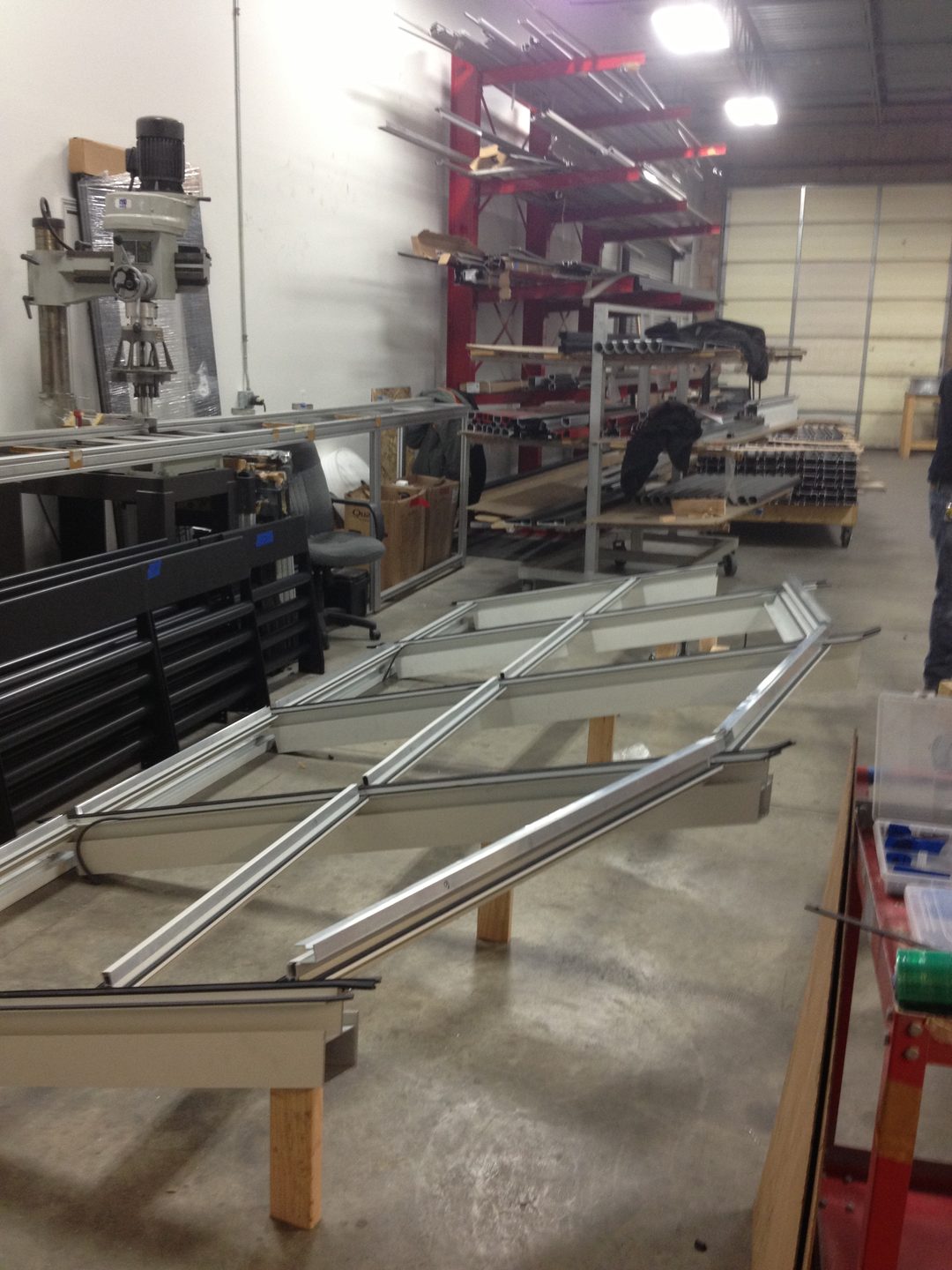
What to ask before you release a package to an outside shop
The questions are the same ones you would ask a new fabricator on your own floor.
- Which systems they have run. Name the series you install (storefront, curtain wall, entrances) and ask whether they have fabricated it, not whether they can.
- Which level of assembly they will ship. KD, assembled sections, ladders, or pre-glazed. Agree on it before the quote, because it changes the price and the truck.
- What they need from you. Approved shop drawings at minimum. Ask whether they build their own cut lists from the drawings or expect yours, and how they want the hardware schedule, handing, and finish called out.
- How they ship complete. Ask for a per-opening list on the shipment so your crew can check a pallet against the opening schedule in five minutes instead of discovering a missing frame on install day.
- What happens after release. The quote should hold unless the scope changes. Ask how a changed hardware schedule or a revised field dimension gets priced and how fast it moves through the shop.
The takeaway
Before the next peak, pick one package you would normally run in-house, a single-elevation storefront or a door and hardware package, and release it to an outside shop with the same package you would give your own fabricators. Check it on arrival against the opening schedule. If it comes back complete, you have a real number for an outside shop hour and a partner proven before the fab date you cannot make.
WestMetal Fabrication fabricates storefront, curtain wall, doors, and hardware prep for glazing contractors from the contractor’s approved shop drawings, at the level of assembly the contractor asks for. The quote holds unless the scope changes. See what WestMetal fabricates.
Learn the fundamentals on LearnGlazing
Two free LearnGlazing courses cover the ground this article skips. Introduction to Fabrication walks through shop operations and delivery considerations, and Different Levels of Fabrication and Assembly explains knocked-down, shop-assembled, and pre-glazed packaging. WestMetal Group is a LearnGlazing partner through the GlazierIQ network. Browse the full course catalog.
null