
October 2026 · About 5 minutes
Every glazing contractor with a saw has already made the make-or-buy decision once, and most have not looked at it since.
The shop exists because at some point it was cheaper to cut your own than to buy it cut. That was true for the work you had then. The question for the package on your desk now is not whether you have a shop. It is whether this package, on this schedule, with this shop’s current load, is cheaper and safer to build in-house or to send out. Operations people call it a make-or-buy decision. In glazing it comes up every time a release lands and the shop lead winces.
Here is the decision as six questions a PM can answer in about a minute each. The honest answers settle most packages; the close calls get a phone call to the shop and one to a fabricator.
1. Does the shop have the hours before the crew needs it?
Add up the fabrication hours for the package. Add up the hours the shop has between now and the date the crew needs material, after the releases already in the queue. If the first number fits inside the second with room for the next thing that walks in, make it. If it does not, the choice is overtime, a slipped date, or buying the hours outside. Manpower is part of the same question: three fabricators on paper is two if one is on a jobsite doing field fixes this month.
2. Does the work need equipment or skills the shop does not have?
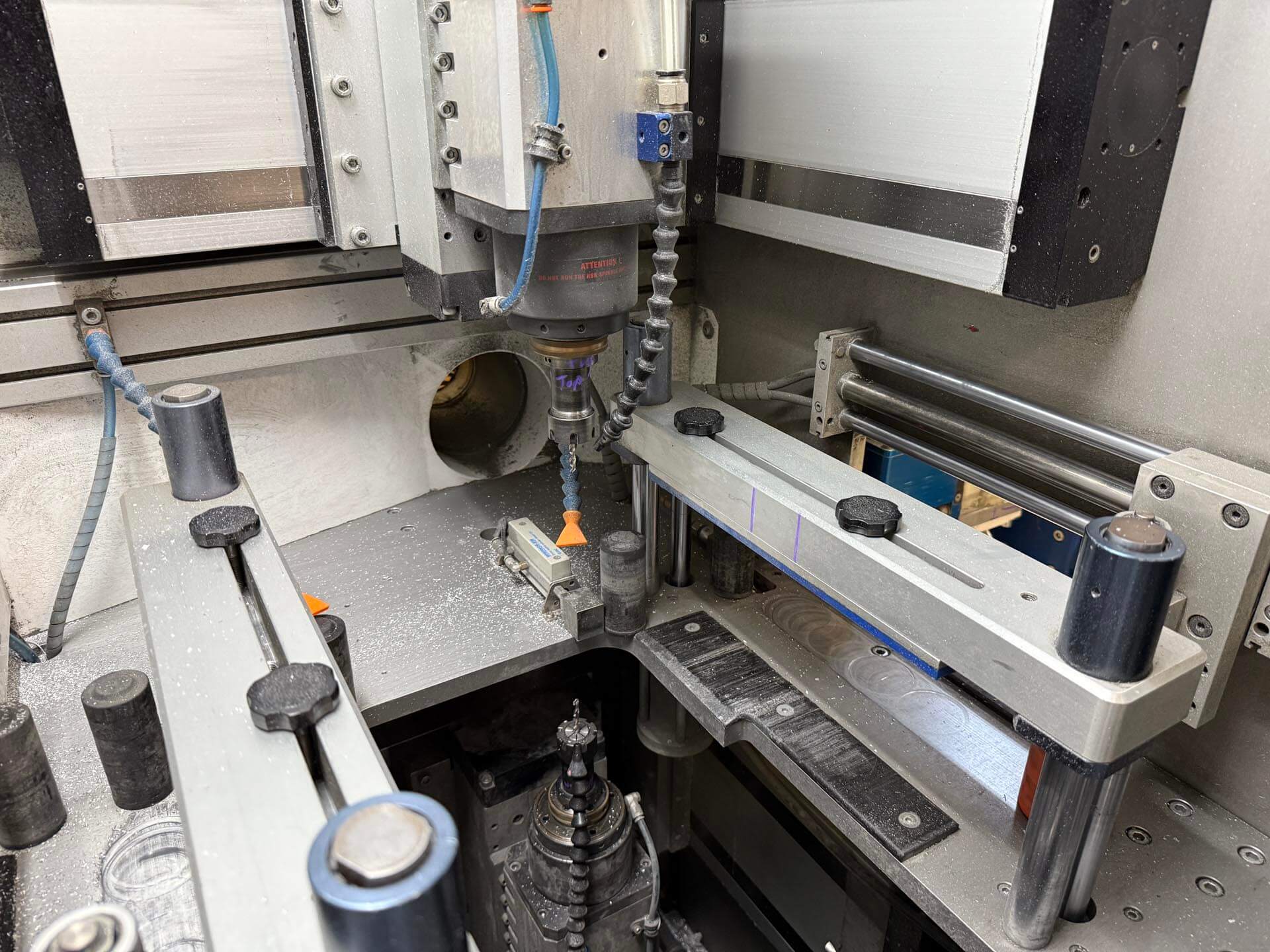
A storefront shop that runs a chop saw, a drill press, and a punch can build a lot. It cannot machine a curtain wall package that needs a CNC router for the pressure plate notches, or hang and prep forty medium stile doors a week, or run a system it has never fabricated without the setup time and the first-article mistakes. If the package needs a machine you do not own or a process your fabricators have not run, buying it is usually cheaper than tooling up for one job. Buy the first one; decide about the equipment after you see how often the work comes back.
3. Will this package tie up the shop and delay everything behind it?
Complexity is a capacity question in disguise. A curtain wall package with unitized corners and a hundred unique parts does not just take more hours; it takes the shop lead’s attention, the bench space, and the one fabricator who can read the details, for weeks. While it is on the floor, three simpler jobs wait. Ask what else is in the shop during the weeks this package would be, and what each of those is worth. The capacity planning article is about catching this early.
4. Does the schedule have room for a shop mistake?
Every package carries some risk of a remake. In-house, a remake costs the material and the hours and pushes the queue. Outside, the fabricator carries the remake on his floor and the quote holds unless the scope changes. On a package with a hard date and no float, the question is who absorbs the week if something is cut wrong. If the answer is “the crew stands down,” buying the package moves the risk to someone whose schedule is built for it.
5. What does in-house fabrication really cost?
The number most PMs compare an outside quote against is the fabricator’s wage times the hours. The true cost is that plus supervision (the shop lead’s time reading the release and answering questions), setup (pulling material, programming, first-article checks), consumables and blades, the floor space the job occupies, the handling into and out of storage, and rework. On a package the shop runs every week, those are small. On a package the shop runs once a year, they are most of the cost. A fabricator’s quote has all of them in it already, which is why an outside hour looks expensive next to a wage and cheap next to the real number.
6. Does buying this protect something bigger?
Sometimes the package itself is fine for the shop and the reason to send it out is somewhere else: the three other projects it would push, a customer relationship that cannot take a late date, or a crew that would sit. Outsourcing is a schedule tool, not an admission. The contractors who use it well send out selected portions (an elevation, the entrance package, the one system they run slowest) and keep their own shop on the work it does fastest. Outsourcing the whole project is rare; outsourcing the piece that would have broken the schedule is routine.
Make or buy, side by side
The two paths look like this for an aluminum storefront package once the release is complete:
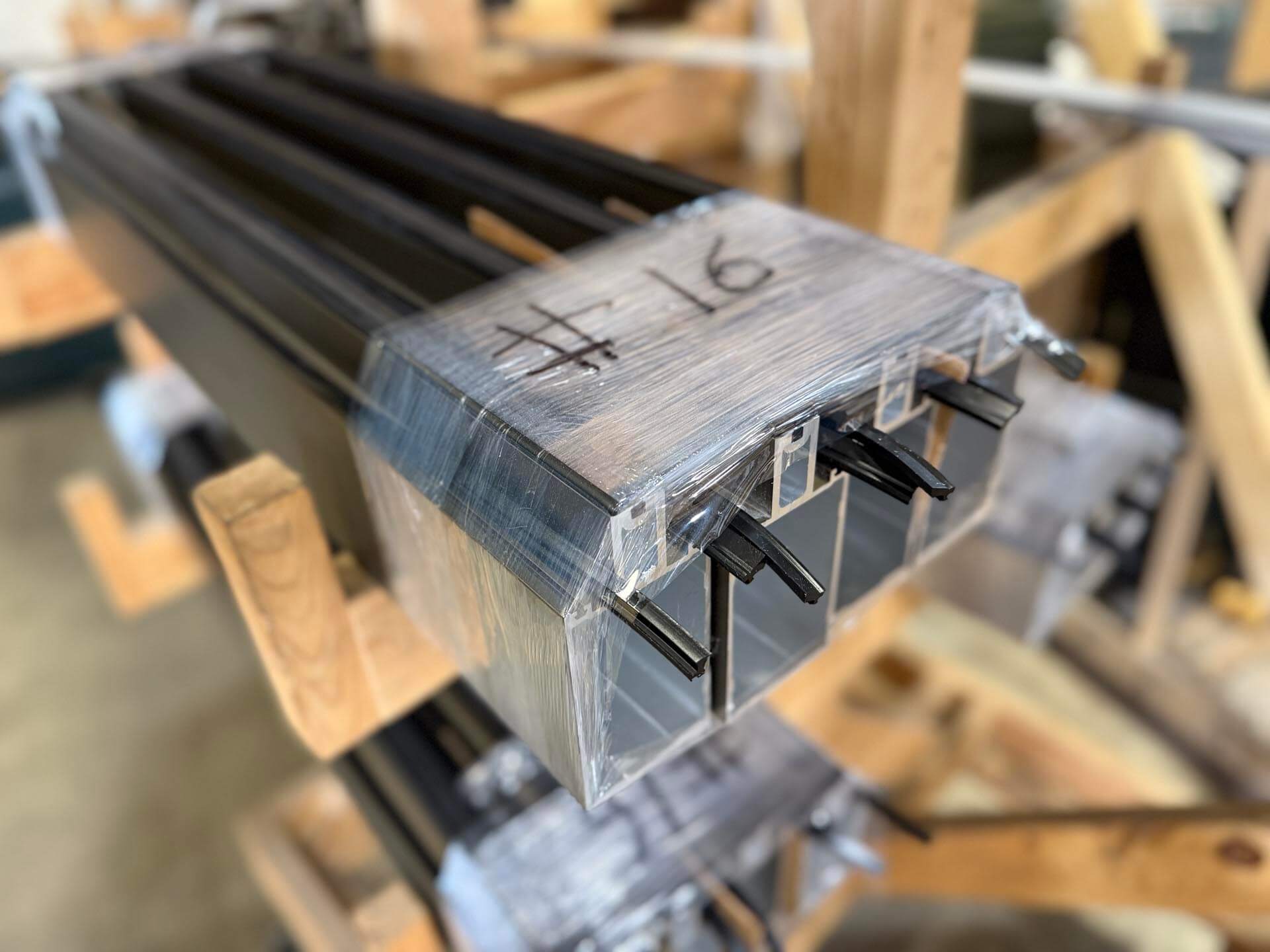
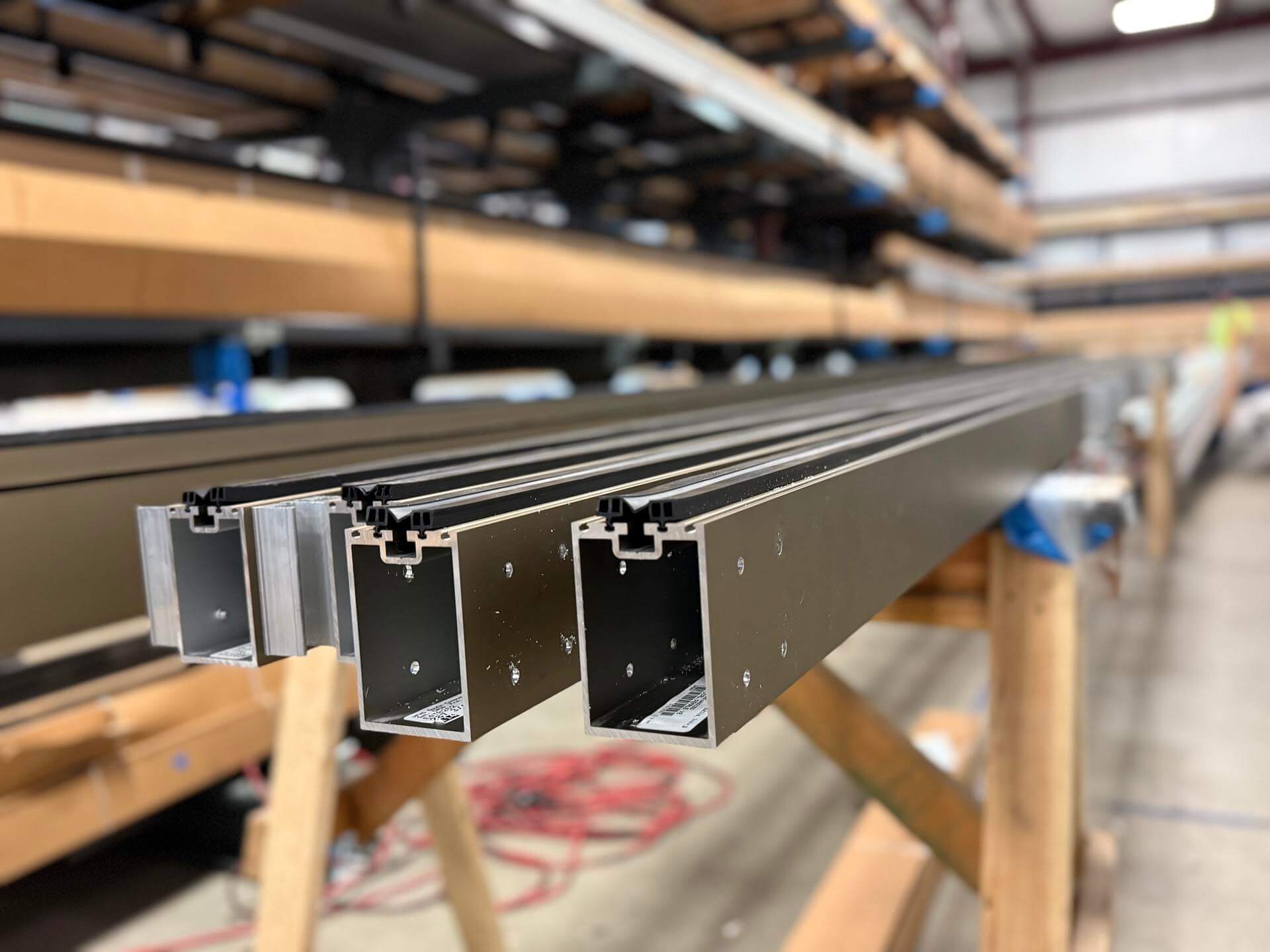
Make (in-house): PM releases to the shop lead; shop lead reads the release and builds the cut list; material pulled from stock or ordered; cutting, machining, hardware prep; assembly to the level the field wants; storage until the crew date; load, ship, install. The PM owns every step and the shop owns the hours.
Buy (outsourced): PM releases the same package to the fabricator with a cover sheet, a delivery date, and the assembly and bundling level; fabricator reads it for the missing piece, builds the cut list, cuts, machines, preps, assembles, tags, and ships to the job on the date; the contractor’s crew installs. The PM still owns the release, the field coordination, and the customer; the fabricator owns the shop hours and the remake risk.
The takeaway
The best fabrication decision is the one that protects your schedule, capacity, and overall project risk, not simply the lowest apparent cost. Run the six questions on every release that makes the shop lead wince, cost the in-house path honestly, and send out the portion that would have pushed everything else. Keep the shop on what it does fastest.
WestMetal Fabrication takes the buy side of that decision for glazing contractors: cutting, machining, hardware prep, assembly, and tagging for storefront, curtain wall, and entrances, from the contractor’s drawings and hardware schedule, while the contractor keeps the install, the field coordination, and the customer. See what WestMetal fabricates.
Learn the fundamentals on LearnGlazing
Two free LearnGlazing courses cover the ground this article skips. Introduction to Fabrication walks through shop operations and delivery considerations, and Different Levels of Fabrication and Assembly explains knocked-down, shop-assembled, and pre-glazed packaging. WestMetal Group is a LearnGlazing partner through the GlazierIQ network. Browse the full course catalog.
Bob Baumann
Sales, WestMetal Group
I have been on the fabrication side of glazing for a long time, and before WestMetal I ran a shop floor where the release was the thing that decided whether the week went well or badly. I still read every package that comes in before it goes to the saw, and I still call the PM when something on it does not add up. WestMetal Group is part of the GlazierIQ network with MP Drafting and LearnGlazing. Questions about an article or a package? Send it to Bob.
</div >